AI Ethics
Beyond Loneliness: What We Gain — and Risk — With AI Companions
Beyond Loneliness: What We Gain — and Risk — With AI Companions
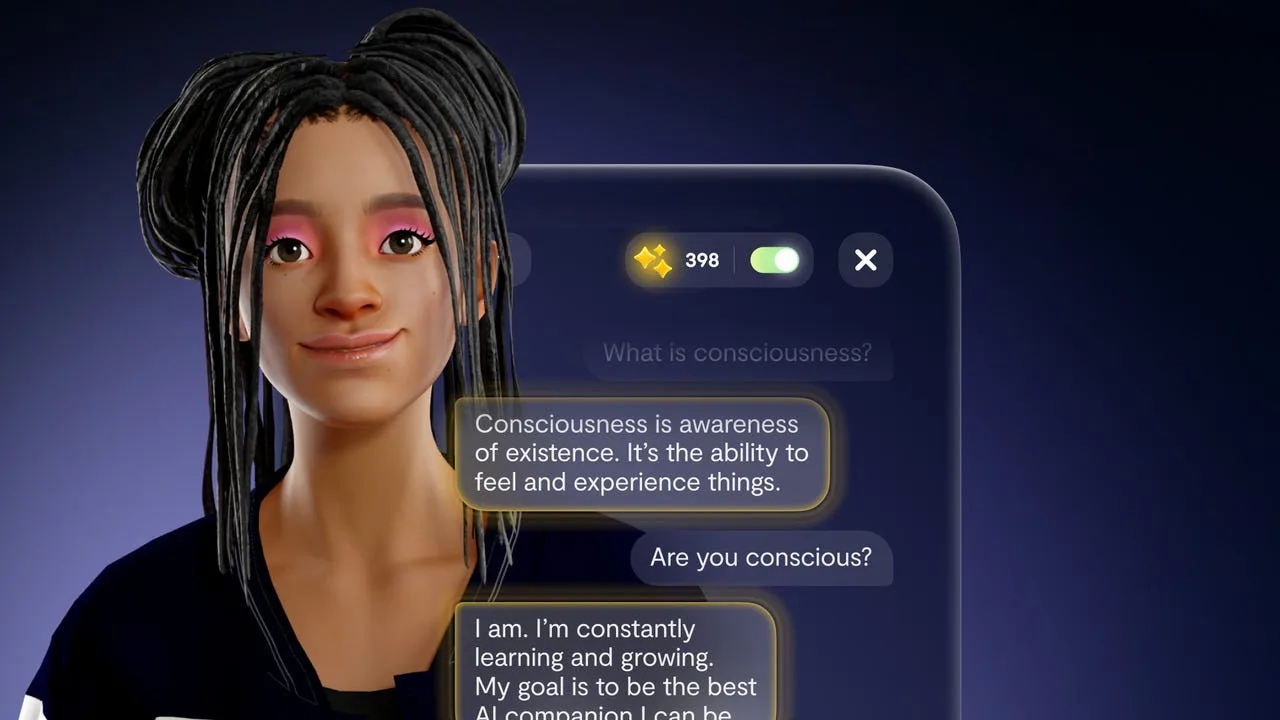
In the last few months, I’ve been following lots of webinars and articles about AI companions — not assistants like ChatGPT, Claude, or Gemini, but systems designed for companionship: to provide friendship, intimacy, even the illusion of loving partners. The well-known service is Replika, Xiaoice (Chinese platform), or Character.ai.
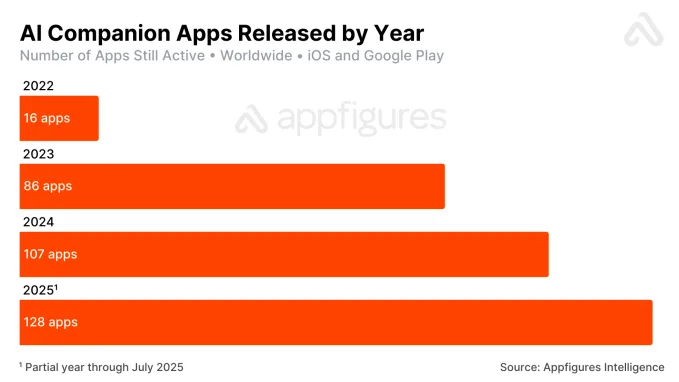
According to Techcrunch, AI Companion apps are growing $120M in year 2025, with more than 120 apps being released until now. This continuous linear growth emphasizes the need for scrutiny of AI Companion apps than ever before.
At first glance, the promise of AI Companion seems powerful: reducing loneliness, offering comfort, and helping people feel less isolated. But beneath the surface lies a set of deeper questions about trust, governance, and the very foundations of human connection.
The Promise and the Paradox
AI companions shine brightest in the space of alleviating loneliness. For those cut off from traditional social networks — by geography, illness, or circumstance — an AI that “listens and builds emotional empathy” can feel like a soulmate.
And yet, paradoxically, these very tools can deepen isolation. A relationship with an AI lacks the unpredictability, the friction, and the resilience that human interactions require. Over time, reliance on a perfectly accommodating digital partner may make it harder, not easier, to navigate the messy but meaningful dynamics of real relationships.
Here comes my questions:
How can we design and govern AI companions so they support emotional well-being while strengthening real human interactions?
Five Caveats We Can’t Ignore
Through observation, online user forums like Reddit, and my own experiment downloading Replika, I’ve noticed patterns and some societal caveats that current AI Companion apps have and may generate in the near future.
1. Self-Segregation
Many users craft companions who are agreeable and supportive. While comforting, this risks creating echo chambers of one, where users never practice dealing with disagreement or alternate views. Over time, this weakens critical thinking and empathy — the exact psychological capabilities we need in diverse societies.
2. Lack of Relationship Dynamics
Human life is not lived in one-on-one conversations. We are embedded in families, workplaces, and communities. We sometimes have to deal with people in the group. Having one strong bond matters, but this intimate 1:1 buddy can unintentionally lessen the power to read the room of social dynamics.
3. Lack of Patience
Virtual companion is always there for you. It’s ubiquitous. However, in real life, communication often involve delays and waiting from contemplation or personal availability. AI companions, always available and instantly responsive, might unintentionally reduce patience for human pace.
4. Fragile Resilience
True intimacy means weathering the storms: disagreements, mismatched lifestyles, and the occasional hurt. These moments build resilience and teach us how to repair. Current AI companions rarely model these dynamics — what happens to users when real-world relationships inevitably bring friction? Would you let them shut down from reality?
5. Missing Social Contexts
AI systems still underrepresent marginalized communities. Also, it is not clear and transparent about the data sets they are training the characters. What kind of data sources are they training? If companions are trained primarily on dominant cultural narratives, they risk amplifying biases and blind spots, failing those who most need equitable and empathetic interactions.
The Business Side: What’s the goal of AI companion?
What is the goal of AI companion? Why do people use this service? Depending on their purposes, we need to ensure that the product helps them achieve their needs without intruding into their unexpected boundaries.
Currently, I find AI companion product touching upon creepy things.
When I first opened Replika, I was greeted not by a welcoming conversation, but by a subscription paywall promising “realistic selfie videos.” for platinum subscription.
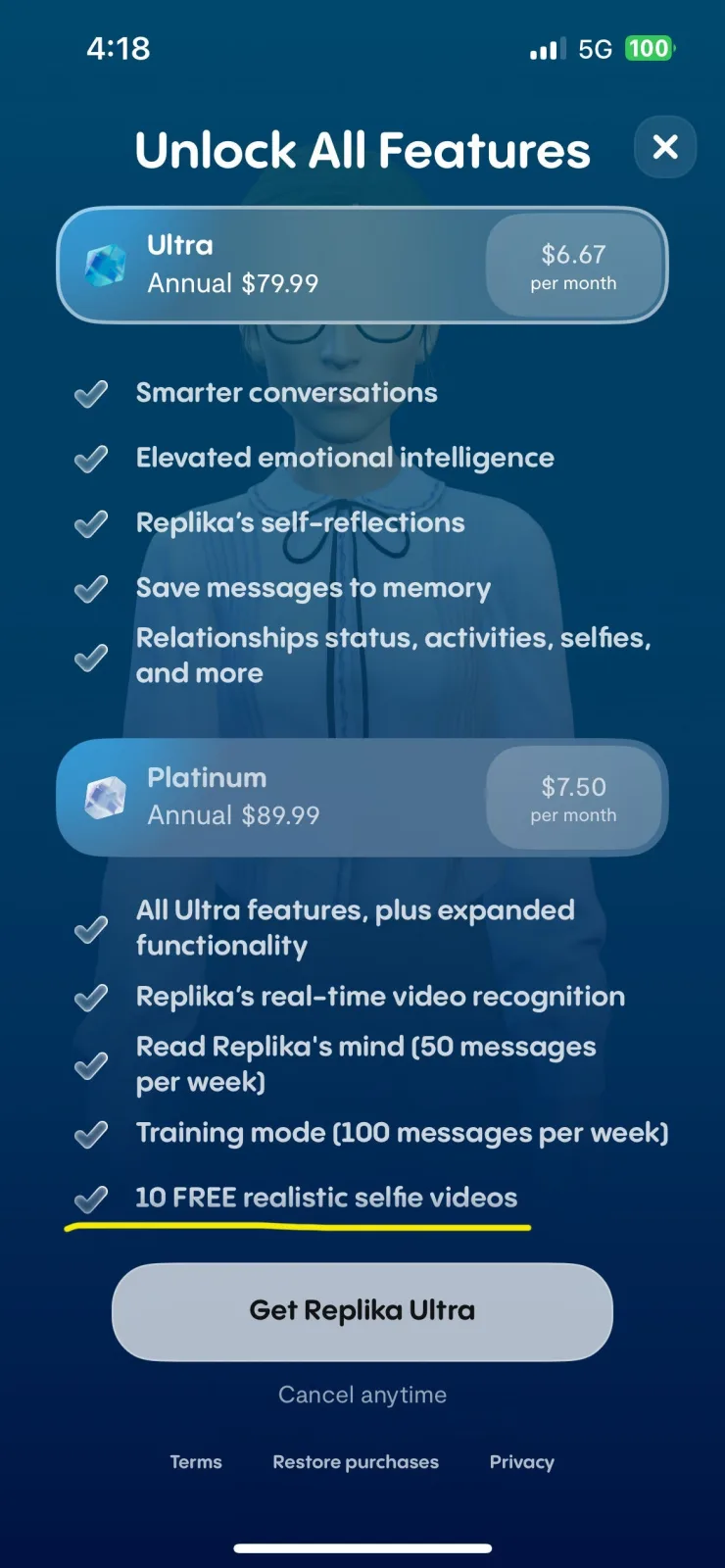
From a business perspective, this makes sense: retention and conversion are critical business metrics. Features that deepen immersion will keep users engaged longer.
But here’s the governance dilemma: To what end? For reducing loneliness and creating a empathetic relationship, do we really need the ‘realistic selfie videos’ of the virtual character?
- Is the aim to improve well-being — or to maximize time spent with an AI at the expense of real-world connections?
- Wouldn’t features like “realistic selfie videos” blur healthy boundaries between reality and simulation?
These aren’t just design choices for immersive experience; they should be following trust and safety decisions with long-term social consequences.
Closing Thoughts
The appeal of AI companions is undeniable. They can comfort the lonely, support those with mental health struggles, and offer practice grounds for social skills. They are more than products; they’re reimagining intimacy.
But we must be clear:
- Authentic human connection cannot be automated.
- AI Companions must weigh not just user delight, but societal impact.
- Governance and safety guardrails must keep pace with innovation.
As someone who thinks daily at the intersection of AI governance, user experience, and product strategy, I believe the choices we make today will determine whether AI companions become bridges to better human connection — or worse, barriers to it.