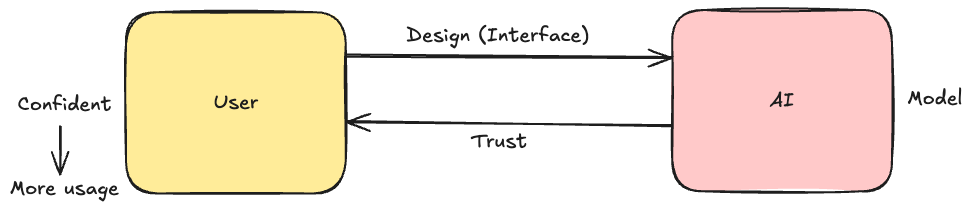
Trust
“Safety by Design: We Must Design AI Experiences that We can Trust.”
Since I committed to diving deep into artificial intelligence, I’ve been struck by how many actors — governments, nonprofits, corporations, local communities — are racing to shape a “better” AI future. Behind the scenes, a growing body of research is tackling on thorny problems like bias, hallucination, misinformation, alignment, and safety. From Responsible Scaling Policies (RSP) to Preparedness Frameworks and various AI labs, AI/ML research scientists are iterating on the core models with dazzling speed.
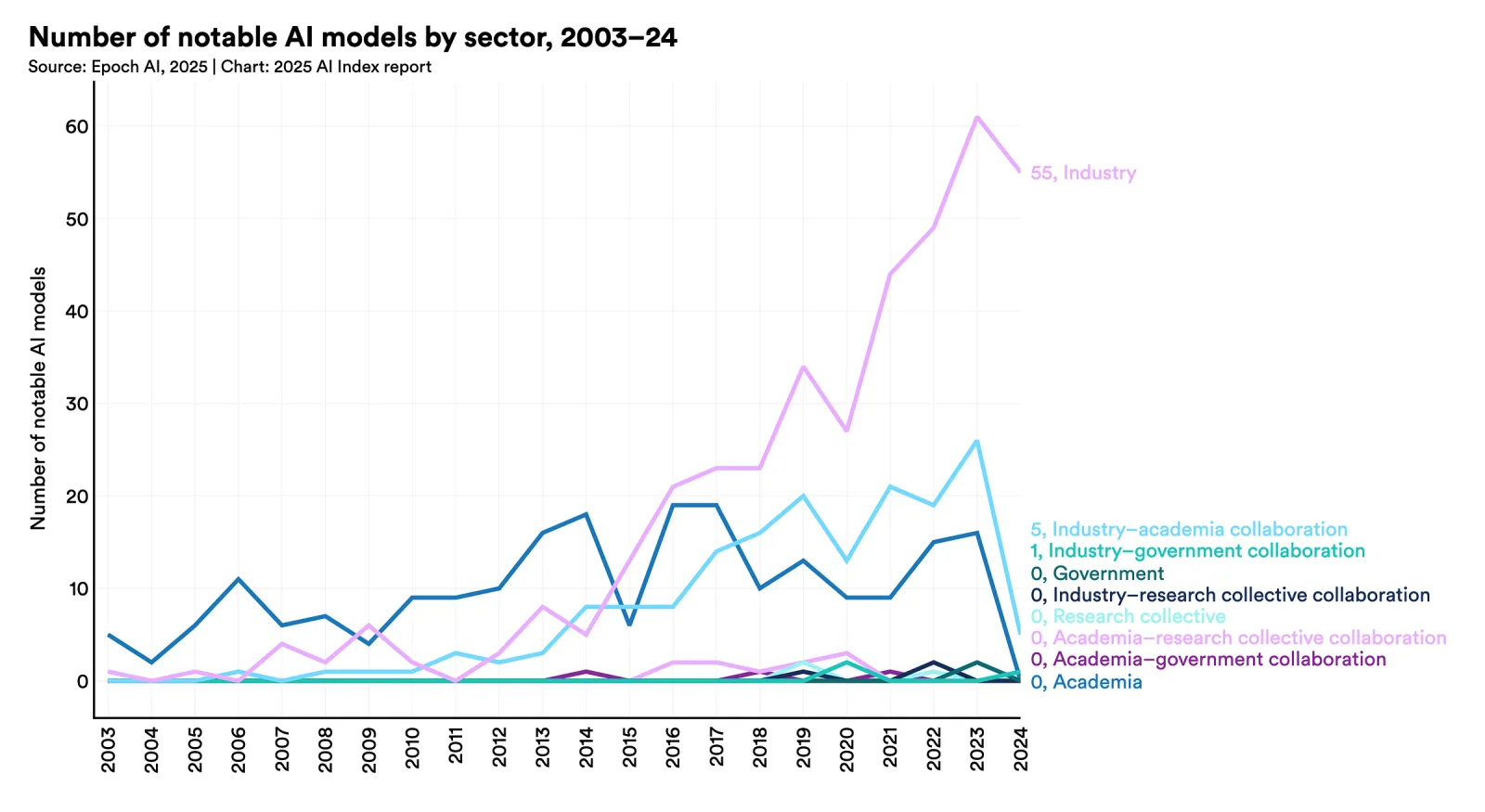
Yet, I keep noticing the same blind spot: we still treat the model as the hero, and the experience as an afterthought. As a student of Human-Centered Design and Engineering, all the projects start with the user problems and what experiences we could introduce to shape better user-friendly experiences.
However, it seems that most of the teams I’ve witnessed online sprint to ship an AI prototype because “everyone else is doing it,” or chase a mythical 100 %-accurate model, forgetting that perfection is impossible precisely. Because it is humans who are creating the technology, who are biased, context-driven, and obviously imperfect beings.
So here’s my thought: What if “safety by design” were treated as a first-class research track, on par with alignment or reinforcement learning?
Safety by Design: *\
- putting user safety and rights at the centre of the design and development of online products and services. \
- altering design ethos from ‘moving fast and breaking things’ or ‘profit at all costs’ to* ‘moving thoughtfully’**, investing in risk mitigation at the front end and embedding user protections
(source: https://www.weforum.org/projects/safety-by-design-sbd/)
History from automobile tells us that design is often what tips new tech from frightening to indispensable.
A Lesson from the Automobile

When cars first rattled onto city streets, critics warned they would become steel killers. They were right — at first. Accidents spiked because of:
- Mechanical failures (unreliable brakes, fragile parts),
- Driver misconduct (fatigue, inexperience, alcohol), and
- Sparse traffic rules (no lanes, signals, or speed limits).
We didn’t “solve” these risks by waiting for flawless engines. Instead, we layered design interventions:
- Sensors and indicator lights to catch mechanical faults.
- Seat-belt alarms and drowsiness detectors to nudge drivers.
- GPS navigation, stoplights, road markings, and bold signage to simplify decision-making.
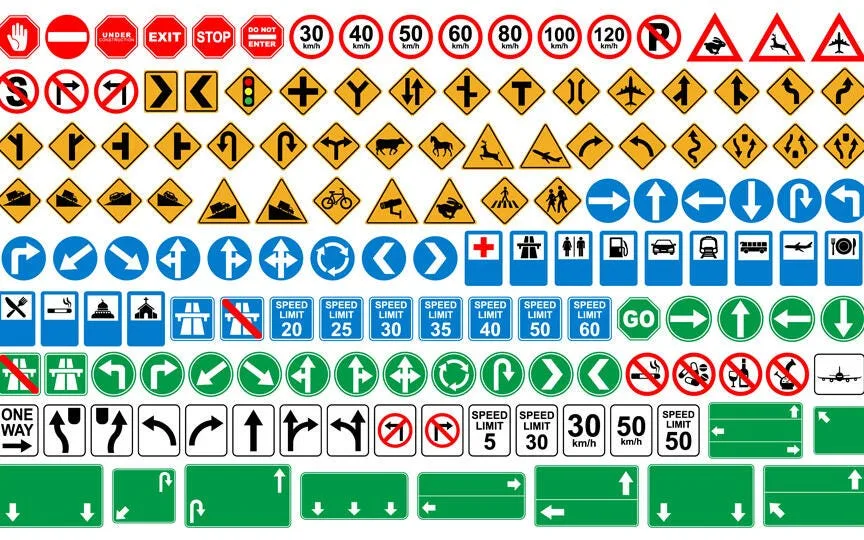
- Now, partial autonomy that steps in when humans slip. (this could generate another issues but let’s not talk about this for now)
Collectively, these choices reframed the car from deadly novelty to everyday necessity. The machine got safer because the experience became predictable, legible, and forgiving.
Translate That Playbook to AI
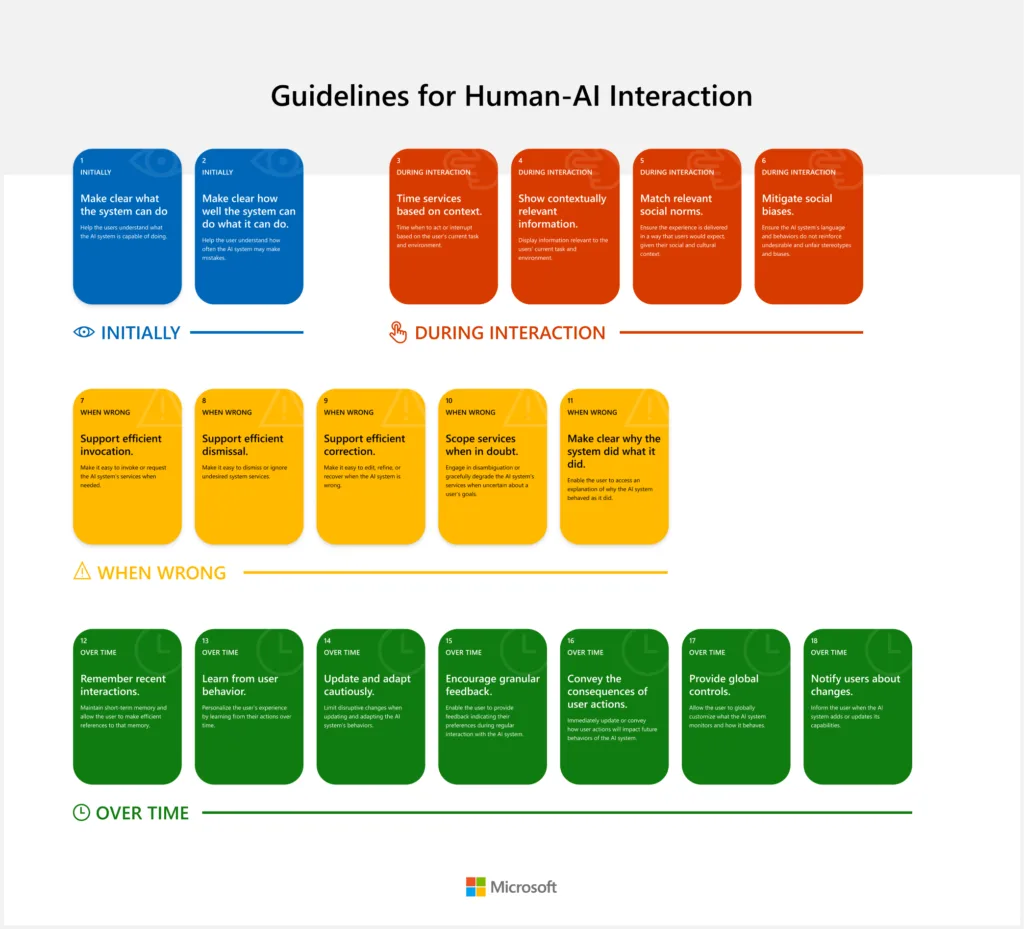
AI models will always carry residual error — just like car engines still stall and tires still blow. But we can minimize the harmful impact through interface-level safeguards — explainability cues, context introduction, etc.. A few years ago, Microsoft has introduced “Guidelines for Human-AI Interaction” and this kind of framework should be more discussed than ever. Designers, PMs, and researchers need to all sit together to deep dive about the whole ecosystem of AI experiences from day one.
The Responsible PM’s Mandate
As product builders, our job is not merely to launch powerful models, but to craft interactions that make their power safe, comprehensible, and trustworthy. That means:
- Embedding rigorous user research into every iteration loop.
- Defining success metrics that track user confidence and error recovery, not just latency or model evaluation scores.
- Championing cross-functional design reviews as passionately as we champion model evaluations.
Call to Action?
More founders and hobbyists spin up AI products each week. If we ignore experience design, we will be getting far away from users who would truly benefit from the technology.
But if we integrate safety by design as early as possible, we’ll chart a different course: AI that brings trust not by promising perfection, but by making its imperfections transparent and manageable. I believe this is how people build confidence in using the AI technology to augment their lives.