AI
The Hidden Power of Everyday Tech: Why PMs Must Think About Infrastructure
Remembering the Kakaotalk Shutdown
The research paper about mobile payments becoming indispensable infrastructure in China reminded me of the dramatic Kakaotalk outage in South Korea a few years ago. Kakaotalk — South Korea’s ubiquitous messaging app, installed on nearly every smartphone in the country — unexpectedly went offline for several minutes due to a fire at its data center.

I still vividly recall the confusion of being unable to send or receive messages. Initially, I blamed my personal network connection, but soon realized the disruption was nationwide. This event did not merely interrupt communication; it led to broader disruptions — payments stalled, taxis couldn’t be hailed, and daily conveniences suddenly disappeared. The outage demonstrated how deeply this single app had embedded itself into our daily lives, becoming an invisible yet immensely powerful infrastructure.
AI: When Tools Become Infrastructure
Just as past technologies like railroads and telecommunications became foundational to society, Artificial Intelligence (AI) is quickly evolving from a cutting-edge tool into a critical layer of infrastructure. AI is no longer confined to certain applications or isolated use cases. It now powers search engines, personal assistants, recommendation systems, autonomous vehicles, and even healthcare diagnostics — often operating behind the scenes, quietly shaping decisions and behaviors.
What makes AI particularly infrastructural is its integration into broader ecosystems. Large Language Models (LLMs), AI agents, and other intelligent systems are increasingly embedded in everyday workflows. These systems are not only built by a handful of powerful companies but also rely on invisible technical components — such as massive datasets, algorithmic feedback loops, and real-time cloud infrastructure — that few users ever see.
While this integration brings enormous efficiency and convenience, it also raises critical questions. Who controls the data? Who benefits from the outcomes? And how do we ensure that AI systems serve society equitably, rather than reinforcing existing disparities? These questions underscore why AI must be treated with the same seriousness as other foundational infrastructure — because its failures and biases can impact entire social systems.

What Product Managers Must Consider
Understanding technology as infrastructure demands Product Managers (PMs) recognize the profound responsibility of their role. Products deployed at scale not only address user needs but also shape behaviors, perceptions, and even societal structures. When infrastructure fails, the impact can be devastatingly broad and deep.
To responsibly navigate this landscape, PMs must consistently reflect on:
Inclusivity
Are we unintentionally excluding certain communities? Is our product equitably beneficial?
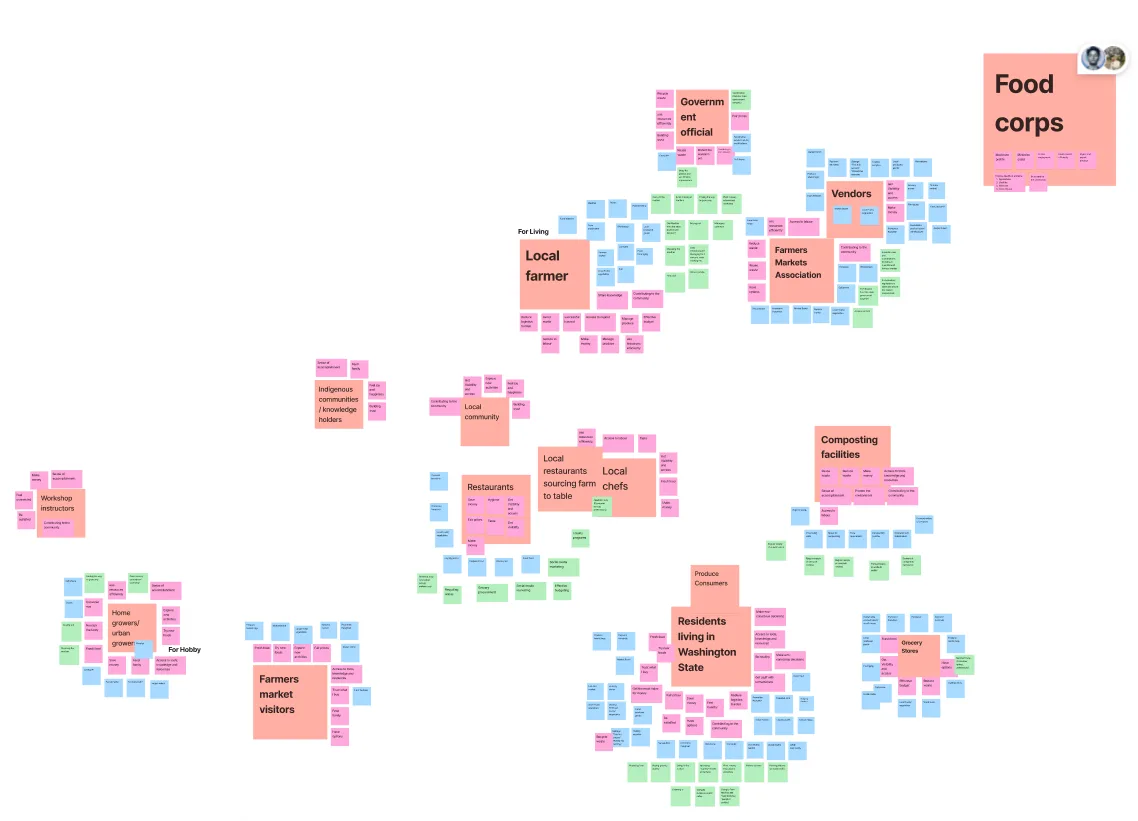
- How I approach: I begin by thinking of the entire ecosystem, mapping out all possible actors and their interactions across the product’s network. This allows me to identify who is included, who is left out, and why. While products may target specific user groups, thinking holistically helps me shape features and decisions with a broader societal perspective — ensuring that design choices uplift and support, rather than marginalize.
Accountability
How can we ensure the resilience, transparency, and accountability of the infrastructure we’re building?
- How I approach: I make a conscious effort to stay aware of the ripple effects that even small decisions can generate. I believe awareness is the first step toward responsible action. By reflecting on the invisible systems that power our technology, I try to recognize unseen layers that often carry the weight of the biggest consequences.
Long-term Durability
Have we considered potential points of failure and planned for the worst-case scenarios to protect our users and society at large?
- How I approach: I won’t claim it’s easy to anticipate every outcome — but I believe in learning from patterns. History often repeats itself, and curiosity about diverse perspectives is a valuable tool. I actively seek out how others perceive our product, and encourage scenario planning. This helps me build for resilience, not just performance.
PM’s super power: Shaping Everyday Tech!!
Ultimately, effective PMs must think beyond immediate user experiences and understand the complex, invisible layers of technology behind the scenes. This requires a shift from simply iterating on features to system-level thinking — anticipating how each product decision may ripple through a broader social and technical ecosystem.
PMs are no longer just followers of usability and business metrics — they are leaders of social trust and digital resilience. As AI and other technologies become deeply embedded in the infrastructure of everyday life, the need for ethical foresight, equitable design, and anticipatory governance becomes not a something ‘nice to have’ but ‘should be considered.’
- Kakao apps hit with service outage due to fire at data center
- South Korea's Kakao Super App Outage Shows Risks of Living a 'Digital Only' Life | PYMNTS.com
Hong Shen, Cori Faklaris, Haojian Jin, Laura Dabbish, and Jason I. Hong. 2020. ‘I Can’t Even Buy Apples If I Don’t Use Mobile Pay?’: When Mobile Payments Become Infrastructural in China. Proc. ACM Hum.-Comput. Interact. 4, CSCW2.