AARRR Funnel
☕️ Invisible Menus and Broken Funnels: Applying Digital Product Thinking to a Physical Cafe
After a long, gloomy Seattle winter, the appearance of sunlight felt almost celebratory, signaling the long-awaited arrival of spring. Embracing the warmth, I stepped out to visit a nearby lakeside cafe. Had I ever known I’d soon embark on an intriguing exploration of user experience through a product management lens.
Upon entering the cafe, I immediately noticed something unusual. The counter displayed only a single letter-sized paper featuring a few signature drinks. Confused about the limited offerings, I nearly asked the manager before finally spotting the full menu — dimly projected onto a white wall. The text was faint, tiny, and difficult to read. I was not the only one.

During my time at the cafe for six hours, I repeatedly heard several customers say,
“Oh, I didn’t know there was a menu here.”
Translating Physical Friction into Pirate Funnel Framework
As a Product Manager accustomed to digital ecosystems, I instinctively translated this physical observation into the digital realm, applying the AAARRR (“Pirate Funnel”) framework — Acquisition, Activation, Retention, Referral, Revenue.
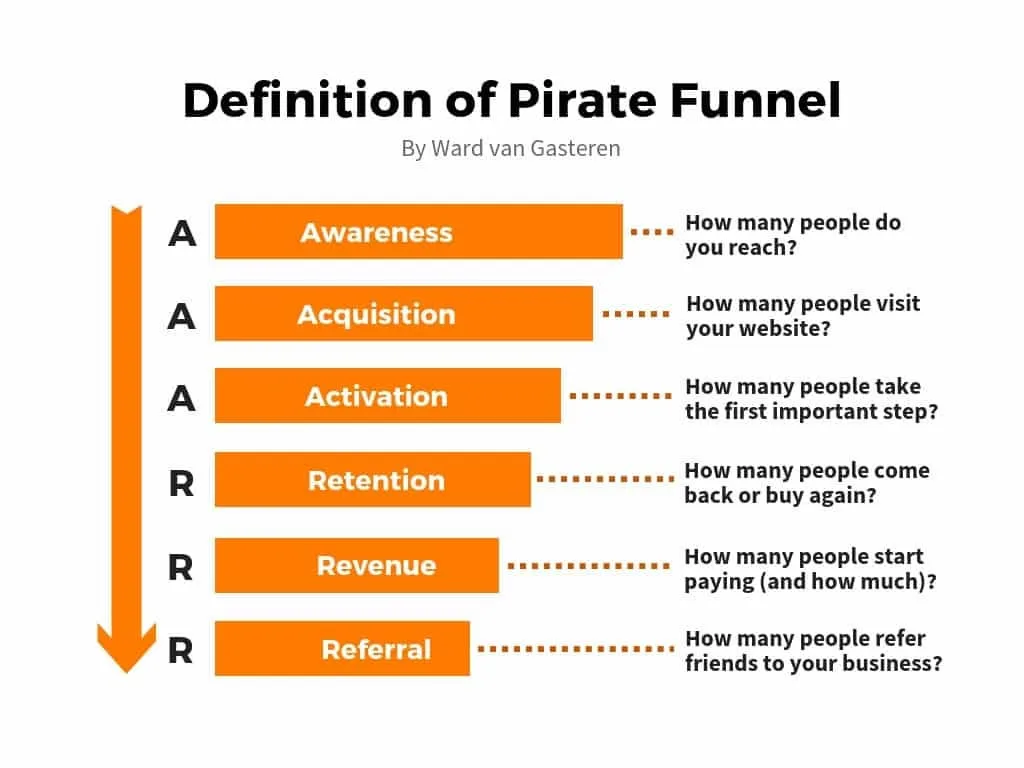
The dim menu revealed a clear friction point at the ‘activation’ stage of the funnel. While the cafe successfully acquired visitors, the critical step of activating customers — making it easy to find and order items — was problematic.
In digital products, activation — the moment users first realize value — is pivotal. Poor activation leads directly to increased churn. Imagine opening the Starbucks app: after downloading and logging in. And you struggle to browse the menu due to slow loading or confusing navigation. Frustration would likely push you quickly toward another competitor’s app.
Comparing Physical vs. Digital Experiences
While directly comparing offline and online experiences might seem inappropriate due to differing contexts, touchpoints, and user expectations, key similarities and contrasts emerge:
📌 Similarities
1. First Impressions Matters!
Offline:
- The entry into a physical space — like a cafe, store, or office — immediately influences customer perceptions. Clear signage, ease of navigation, and welcoming environments encourage customers to proceed beyond initial curiosity into meaningful engagement.
Online:
- In digital products, seamless navigation, fast loading times, and intuitive interfaces rapidly convey the value proposition to users, thus encouraging deeper product engagement.
2. Good Ambiance and Interface -> High Loyalty, Retention!
Offline:
- The physical environment — lighting, decor, seating arrangement, noise levels — creates sensory experiences. And positive ambiance brings customers back.

Online:
- An intuitive and visually appealing digital interface builds trust and sustained engagement and user loyalty. (e.g., easily navigable interface, personalized experiences, relevant content)
📌Differences
1. Barriers to Exit and Switching Costs
Offline (High Switching Cost):
- Physical spaces create friction to immediate exits. Factors include physical movement, travel time, weather conditions, or difficulty finding alternative options nearby. Have you ever experienced being in a dissatisfying restaurant but decided to just stay? “Nah…Let’s just stay here….”
Online (Low Switching Cost):
- Digital products offer extremely low exit barriers. Users effortlessly close apps or browser tabs, quickly switching to competitors with minimal effort or cost.
2. Human Intervention vs. AI-driven Automation
Offline (Proactive Human Assistance):
- Physical spaces offer proactive, real-time human interventions to mitigate customer frustration. Staff can instantly sense and respond to customers’ non-verbal cues, reducing friction at critical points. Think of waiters pouring the empty water glass without you having to ask for more.
Online (Reactive AI Assistance):
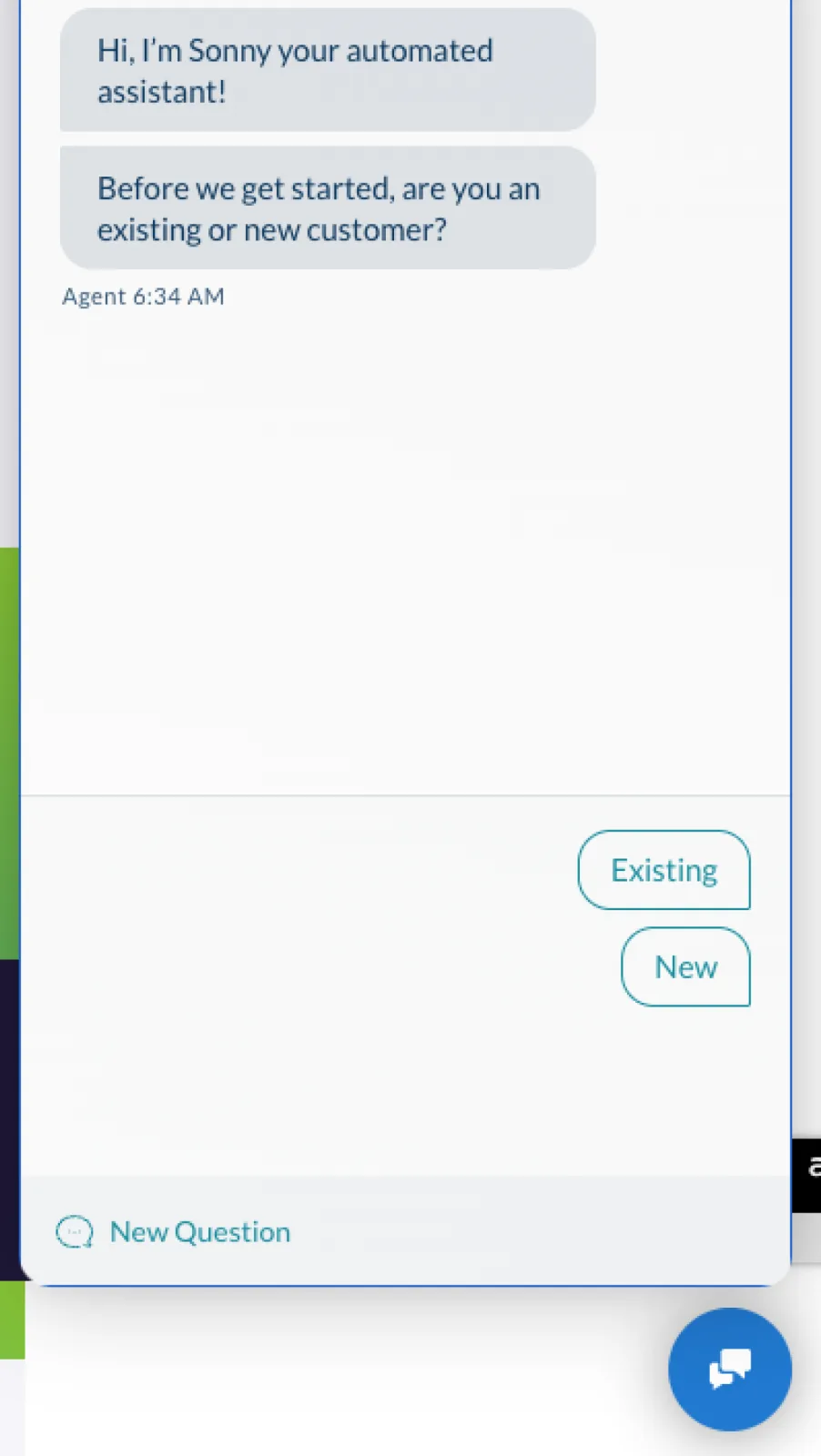
- Digital spaces often depend on reactive measures (e.g., customer support bots). Without proactive AI agents, the intervention happens only after clear signals of frustration or user actions.
3. Cognitive and Physical Load in Decision-making
Offline (High Load, Multi-factor Consideration):
- Physical decisions typically involve greater cognitive and physical effort. Users must consider many variables simultaneously, like crowd size, ambient noise, seating availability and comfort.
Online (Lower Cognitive Load, Rapid Decision-making):
- Digital environments streamline decision-making, significantly reducing cognitive load. Users swiftly compare alternatives through minimal effort, leading to rapid choices.
4. Impact of Friction on Revenue
Offline (Indirect or Delayed Revenue Impact):
- Offline friction may indirectly influence revenue but does not necessarily lead to immediate loss unless it significantly affects customer flow. In the offline cafe scenario, the poorly visible menu might not critically impact sales since customers primarily seek ambiance and beverage quality.
Online (Immediate Revenue Impact):
- Digital friction directly impacts revenue, as users encountering difficulties quickly abandon the site or app. User frustration rapidly translates into decreased conversion rates and immediate loss of revenue.
A Lesson in Cross-Domain Thinking
Observing a physical cafe through a digital lens provided insightful revelations about user experience management.
Despite universal agreement on the value of seamless activation, its urgency and implications differ greatly across contexts, shaped by distinct customer expectations and operational constraints between physical and digital domains.
At the same time, users are the same.
Applying pirate funnel framework across domains empowers us to consistently deliver seamless and frictionless experiences that deeply resonate with users.